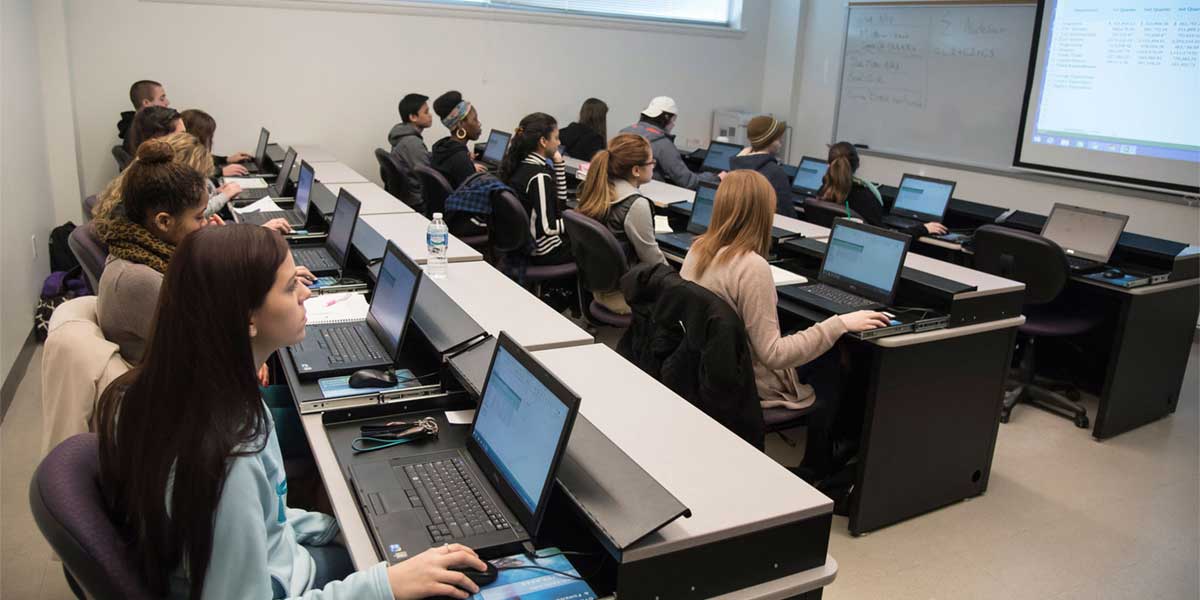
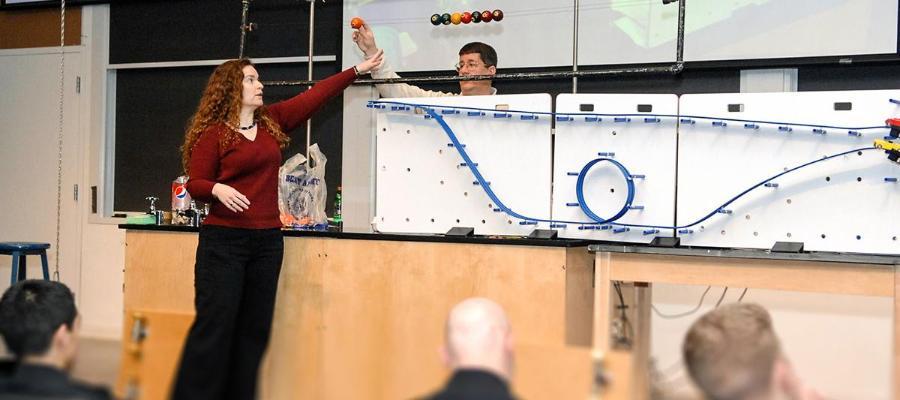
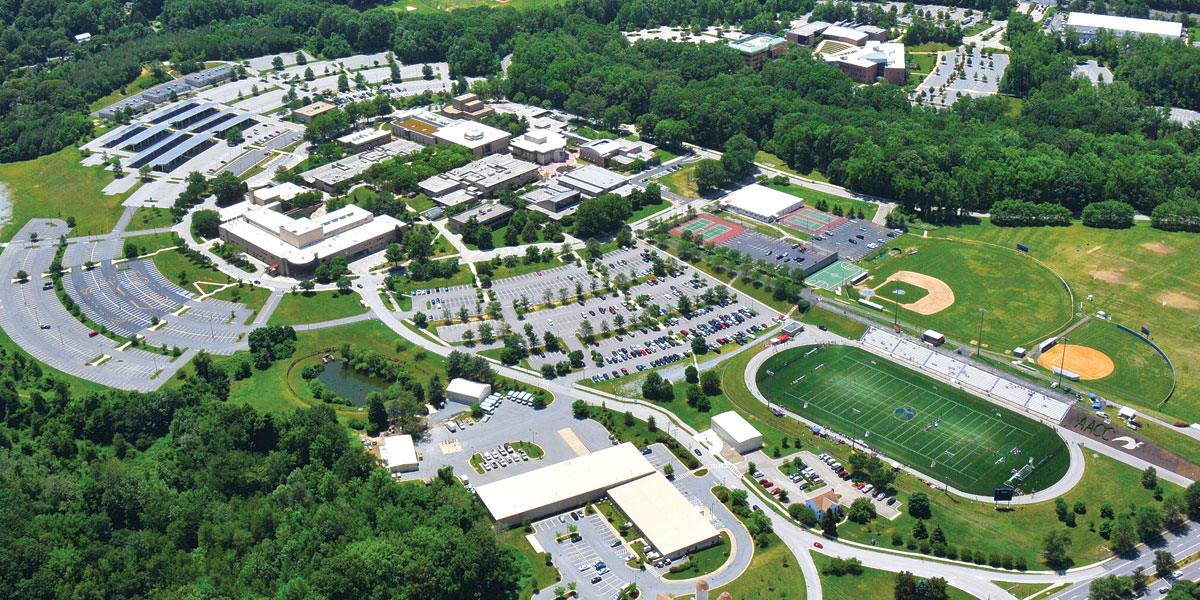
Our Engineering programs may be for you. You’ll complete your general education requirements and basic engineering courses under faculty who are devoted to student success. AACC’s Engineering department has an excellent relationship with some of the top public engineering programs in the state. We try to replicate the first two years of a university engineering program. By the time you complete your degree with us, you’ll be well prepared for the next step of your journey to become an engineer.
The Engineering department is proud to offer the Associate of Science (A.S.) and Associate of Science in Engineering (A.S.E.). As an additional transfer option, AACC has the unique Transfer Studies degree. All of these degrees will prepare you to transfer to a four-year institution. Whichever path you choose, we strongly encourage you to meet with an advisor to structure your AACC studies to meet your specific transfer goals.
This program transfers as a degree to a four-year electrical engineering program in Maryland. Electrical engineers design, analyze, build and test electronic systems, computers, communication equipment, robotic systems and other circuits. You’ll take foundational courses in math, physics and chemistry, as well as basic engineering work to make sure you are well prepared for the transition.
You’ll take foundational courses in math, physics and chemistry, as well as basic engineering work. By the time you complete the program, you will be well prepared to transfer to any of the best university engineering programs across the country.
The Transfer Studies, A.A. allows you to explore different subjects or concentrate on a specific course plan that will best meet your in-state (and even some out-of-state) transfer goals. This option is particularly good if you are undecided in your ultimate career direction, not sure where you'd like to eventually transfer or just looking to complete general education requirements while "testing the waters" of a particular major. No matter what brings you to Transfer Studies, the result is a well-rounded associate degree preparing you for further studies and successful career.
If Engineering sounds appealing, but you’d like to compare it to other offerings, see if one of these is a better fit.

We’re here to help.
School of Science, Technology and Education
Department of Engineering

Chris Chambers grew up watching a lot of science fiction shows. “I always had this idealized view of the future and what it could be,” he said. “So, I wanted to know engineering and physics so I could create things.” What he hadn’t anticipated was helping shape his future in other ways.
Read Chris' Story