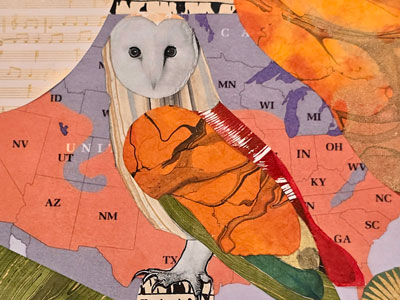
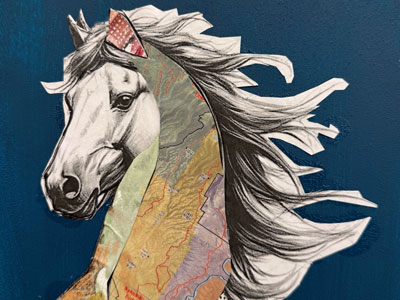
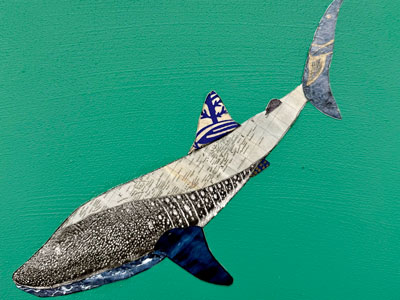
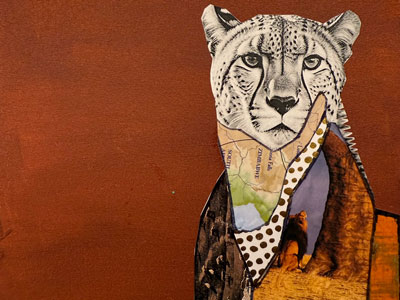
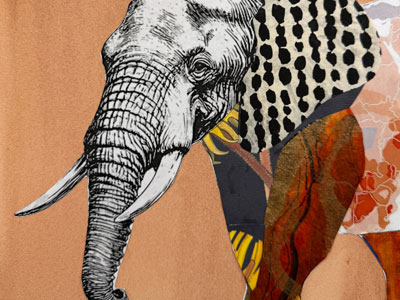
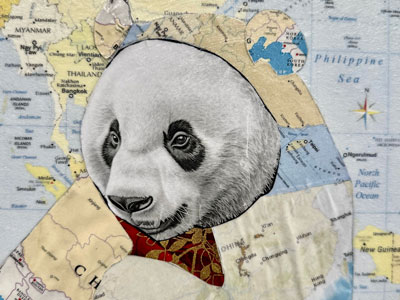
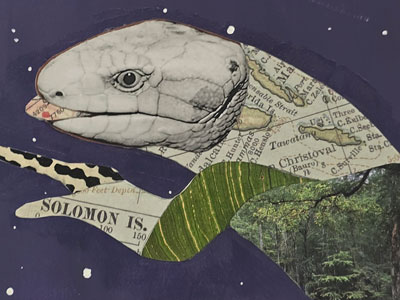
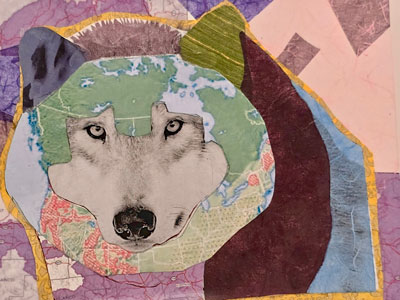
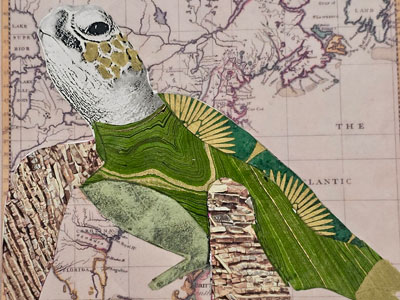
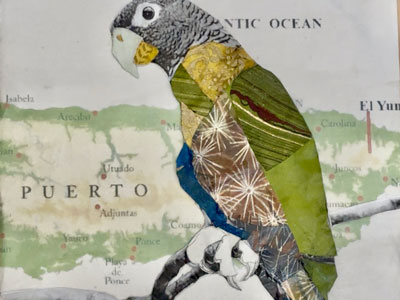
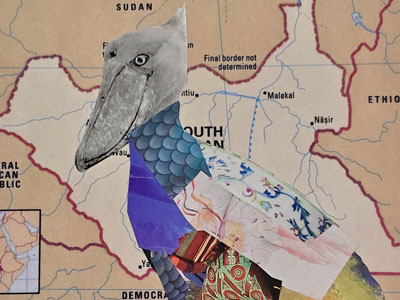
Biology students explored the relationship between animals and place by selecting a living or extinct species and researching its geographic range. Using animal silhouettes and maps as visual source material, students created layered artworks connecting habitat, movement and survival.
The project invited students to interpret scientific information through image-making rather than simply reporting facts. By translating geographic and biological data into visual form, students considered how environment shapes adaptation and our understanding of home.
Course: BIO-105 - General Zoology
Disciplines: Biology and Visual Arts
Faculty collaborators: Mary Holden-Musser, Ph.D.; Amy Carattini, Ph.D.; Laura Pasquini, M.A.T.
Student collaborator: Alex Norton, Arts HUB coordinator
Artistic inspiration: Matthew Cusick and Maya Lin
Final project: Layered animal and geographic map artwork, gallery walk, and oral presentation
.jpg)
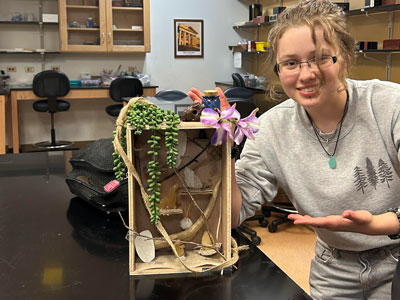
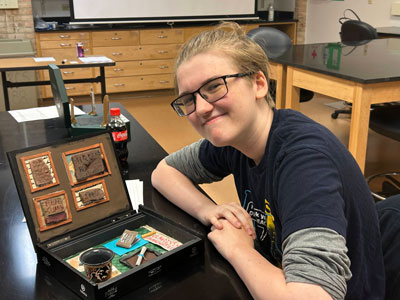
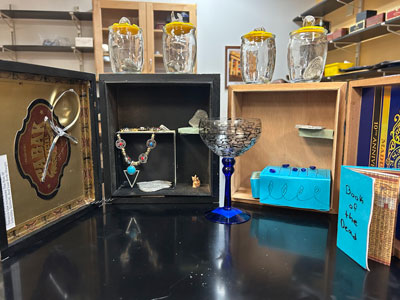
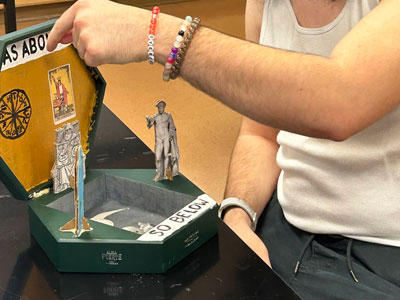
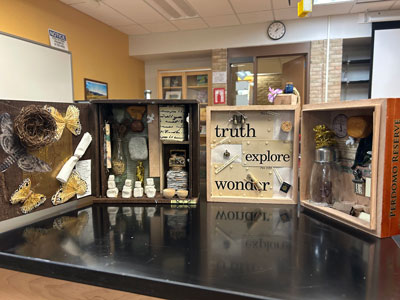
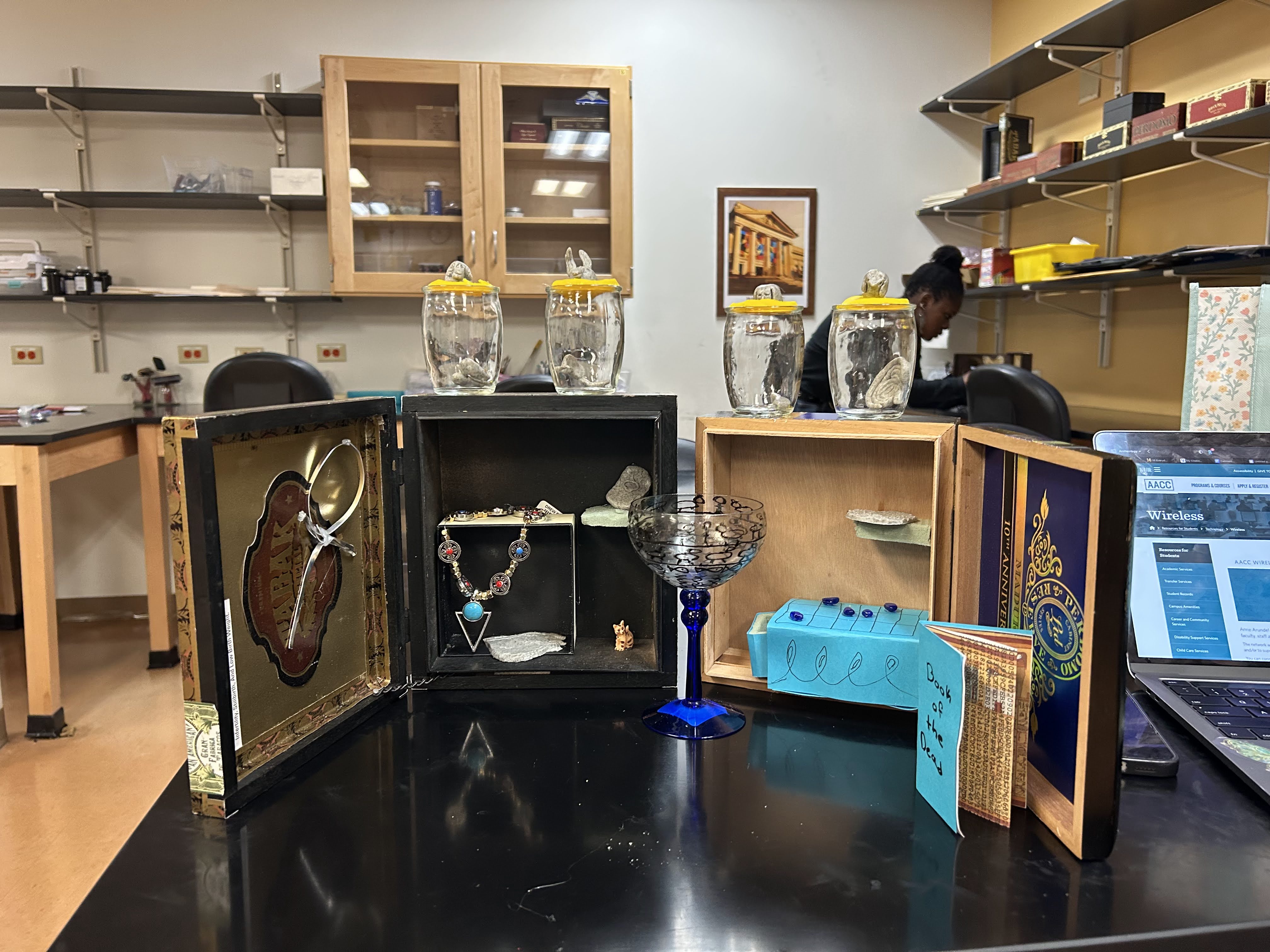
Students in Introduction to Anthropology explored how collections shape the stories we tell about people, cultures and the past. After learning about historic cabinets of curiosity and the role of collecting in archaeology, students transformed wooden cigar boxes into miniature cabinets using natural materials, maps, poetry, photographs and found objects.
The project invited students to think critically about who collects, who interprets and how objects acquire significance. Students later visited the Walters Art Museum and created virtual collections examining how archaeology produces and shares knowledge about culture.
Course: ANT-123 - Introduction to Anthropology
Disciplines: Anthropology and Visual Arts
Faculty collaborators: Amy Carattini, Ph.D.; Laura Pasquini, M.A.T.
Artistic inspiration: Joseph Cornell
Final project: Cigar-box curiosity cabinet, essay, and formal presentation
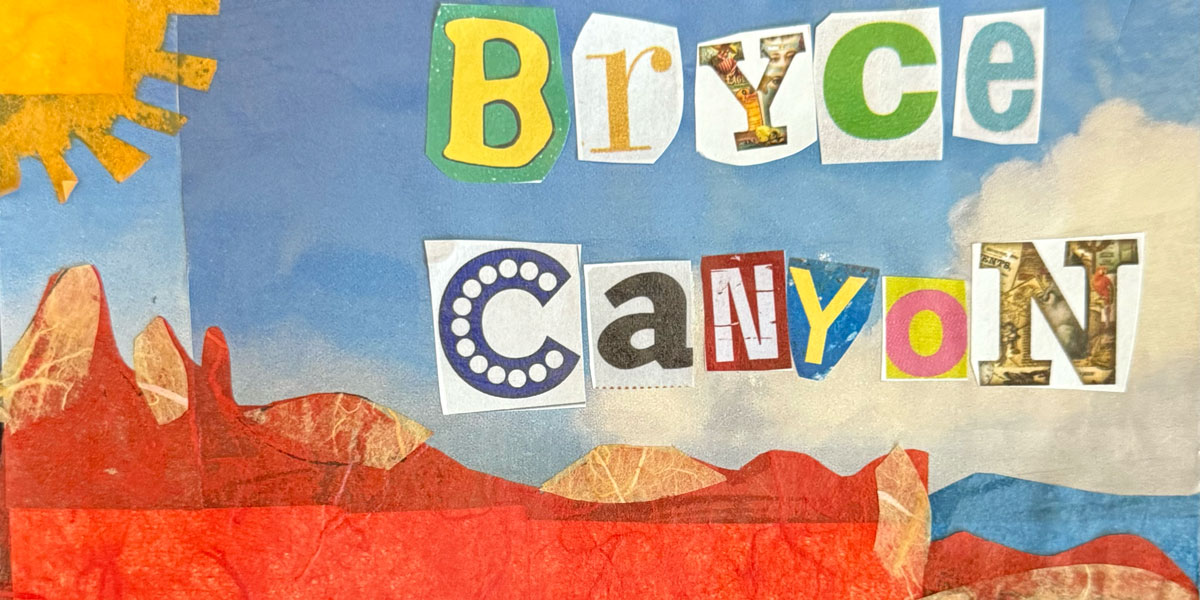
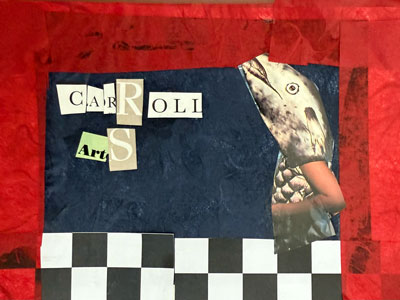
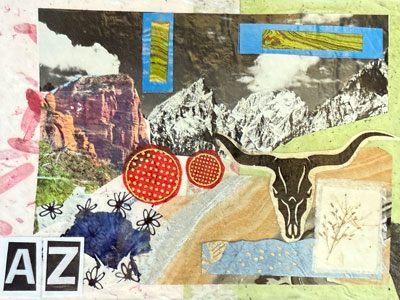
In Response to Place was originally developed by Arts HUB and Geography faculty in collaboration with AACPS for a professional development workshop. It was later adapted for GEO-102: World Regional Geography at AACC.
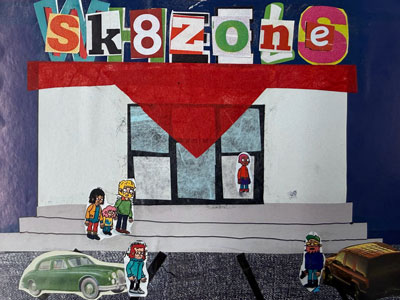
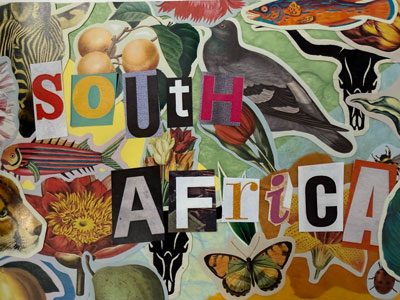
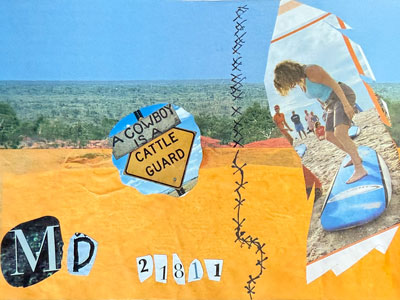
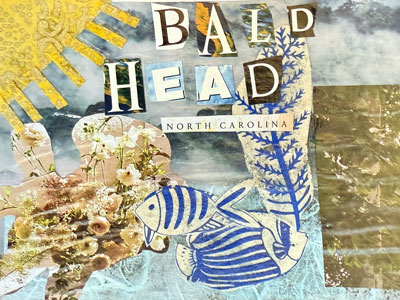
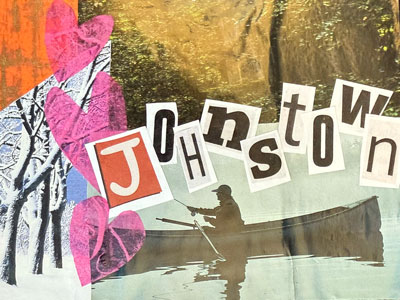
Students explored how geography, human activity, and personal experience shape our sense of place. Inspired by Romare Bearden and Joan Miró, participants used collage, abstraction and symbolism to explore stories of place, community and movement.
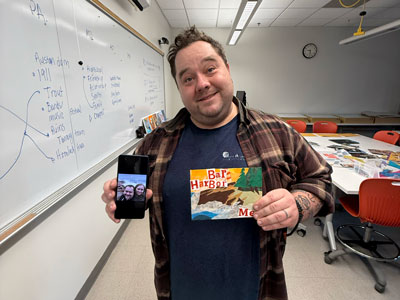
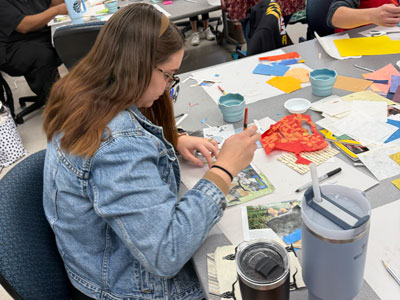
Using handmade collage paper, found imagery, paper and text, participants created two-sided postcards representing places of personal or shared significance. The project brought together visual art, human geography and writing, asking participants to consider not just where a place is, but how it shapes the people who experience it.
Photographs shown are from the original AACPS workshop.
Course: GEO-102 - World Regional Geography
Disciplines: Human Geography and Visual Arts
Faculty collaborators: Amy Carattini, Ph.D.; Bradley Austin, Ph.D.; Alex Colucci, Ph.D.; Laura Pasquini, M.A.T.
AACPS collaborator: Roxanne Hendershot, Ph.D.
Student collaborator: Alex Norton, Arts HUB coordinator
Artistic inspiration: Romare Bearden and Joan Miró
Final project: Two-sided mixed-media postcard, written component and digital map entry
Bradley Austin’s digital mapping project.
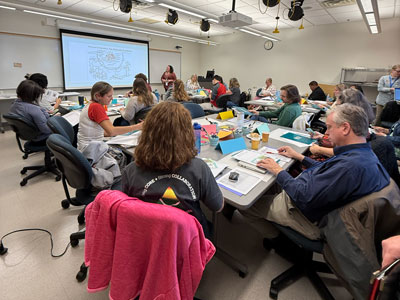
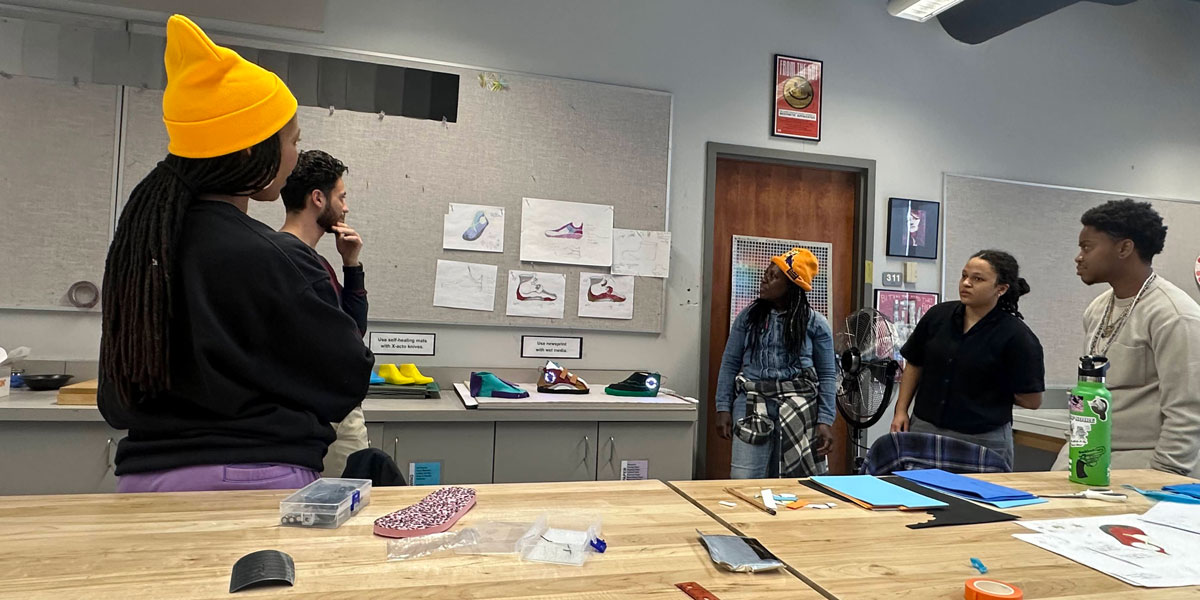
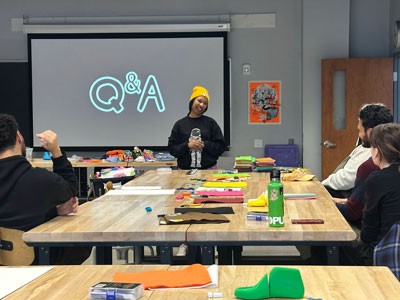
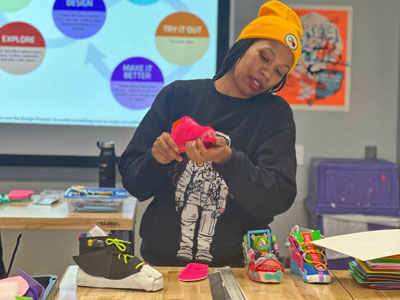
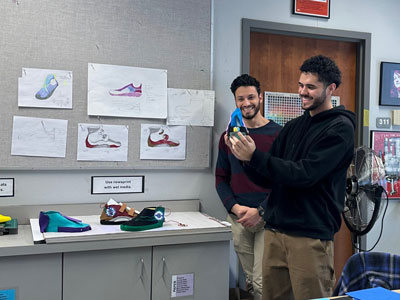
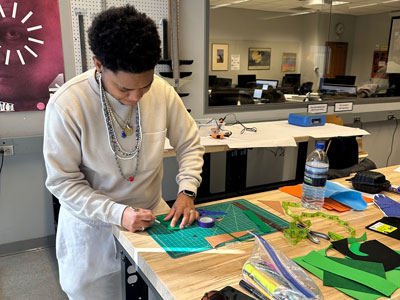
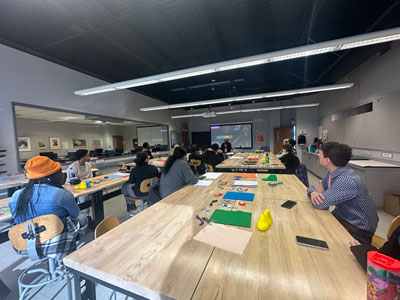
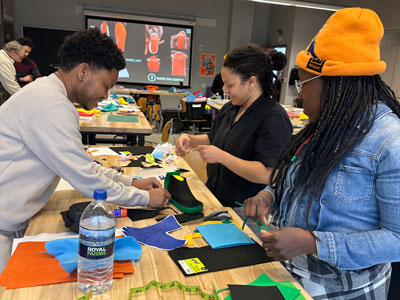
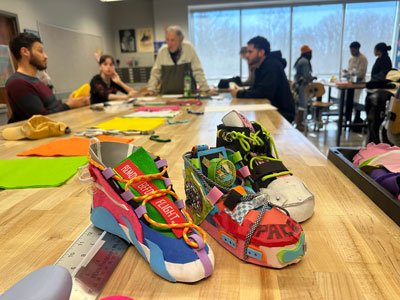
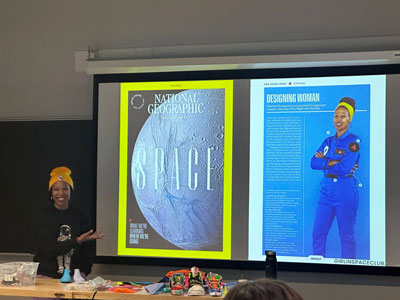
Engineering and Visual Arts students worked together to imagine how footwear might function beyond Earth. Led by Sabrina Thompson, former NASA aerospace engineer and founder of GIRL IN SPACE CLUB™, the workshop challenged students to consider how movement, materials, environment and human needs might shape design for space travel.
Working in interdisciplinary teams, students combined creative thinking with engineering principles to develop futuristic footwear prototypes. The project demonstrated how artists and engineers approach complex problems from different perspectives and how cross-disciplinary collaboration can lead to imaginative and functional solutions.
Participants: Selected Engineering and Visual Arts students
Faculty collaborators: Matthew Bem, coordinator for STEM Initiatives and Supplemental Instruction; Amy Carattini, Ph.D.; Laura Pasquini, M.A.T.
Format: Three-hour interdisciplinary STEAM workshop
Guest artist: Sabrina Thompson, former NASA aerospace engineer and founder of GIRL IN SPACE CLUB™
Final project: Collaborative footwear prototype designed for space
.jpg)
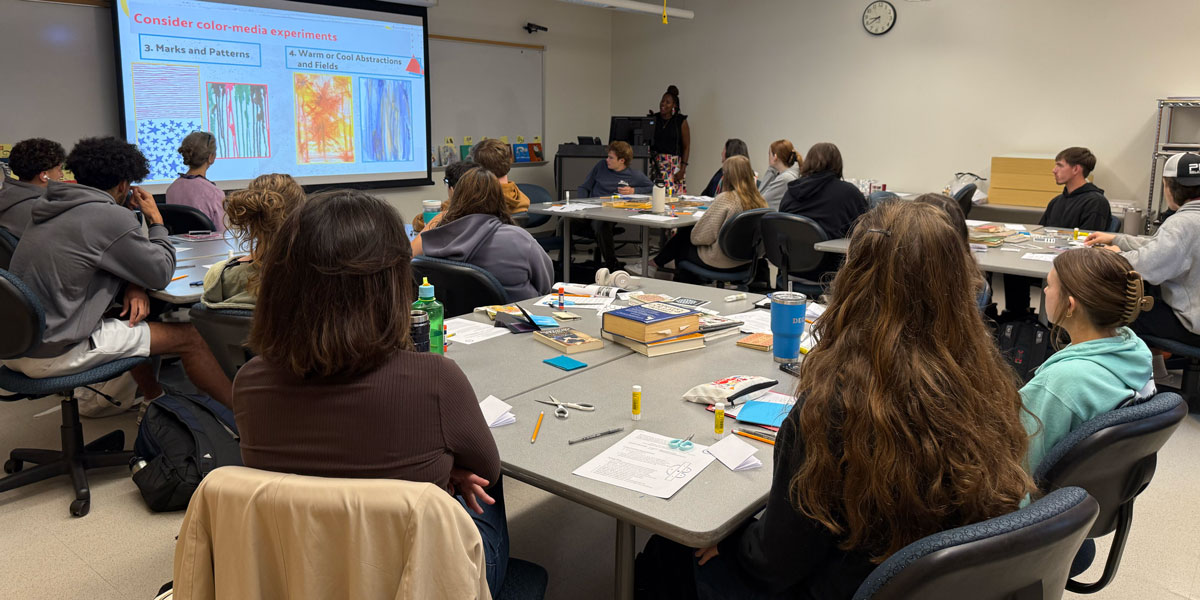
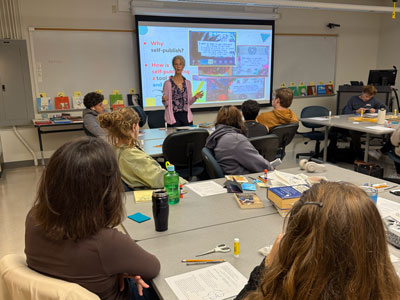
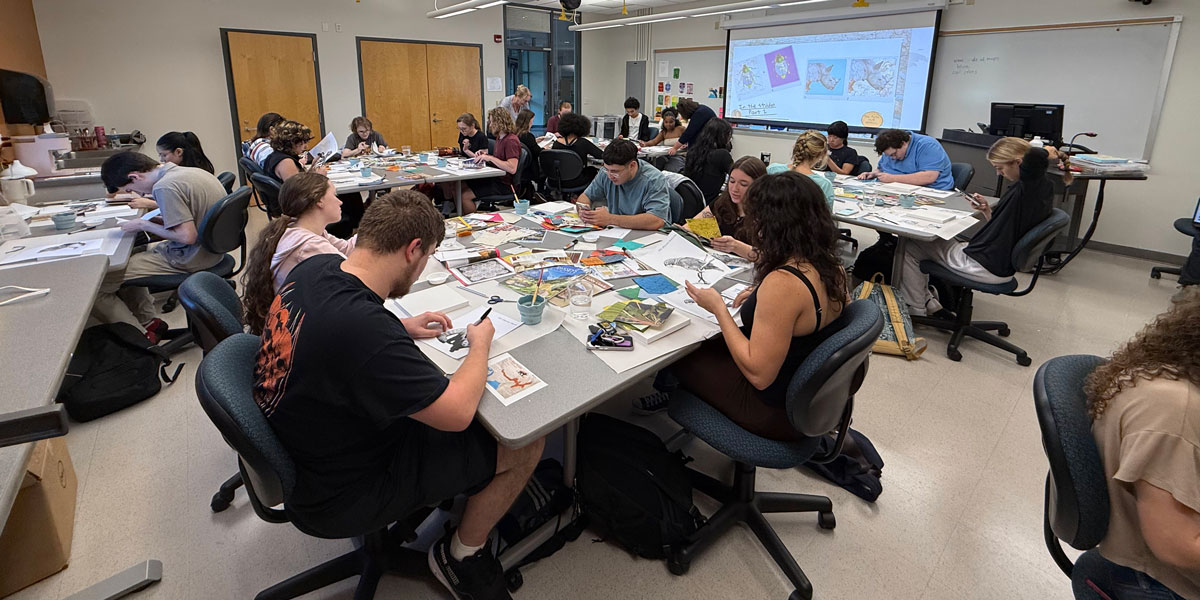
English students explored book arts and zine-making with guest artist, Jamila Zahra Felton, learning how handmade publications bring together writing, imagery, sequence and design. Through examples of artist books and independent zines, students considered how format shapes communication and how small publications can create space for stories and perspectives that may not appear in traditional texts.
Students then created their own zines using collage, drawing, text and folded-paper structures. Their work explored personal experiences and ideas through both written and visual language, allowing each student to develop an individual voice and approach.
Course: ENG-101 - Academic Writing and Research
Disciplines: English and Visual Arts
Faculty collaborators: Suzanne J. Spoor, Ph.D.; Amy Carattini, Ph.D.; Laura Pasquini, M.A.T.
Format: Interdisciplinary book arts and zine workshop
Guest artist: Jamila Zahra Felton, artist, educator, school librarian and founder of The Beat of Blossoms
Final project: Handmade zine combining writing and visual imagery
.jpg)
.jpg)
.jpg)
.jpg)