


Think geography is about memorizing capitals and coloring maps? Think again. Geography is the ultimate powerhouse degree for the 21st century. It is the dynamic bridge between the physical science of our planet and the human stories that shape it. Understanding where things happen unlocks the secrets to why they happen. That helps us build a better, more sustainable world.
Geography is the study of people, places and the relationships between people and their environments. It is a vital lens for solving the world’s most pressing challenges.
We live in an interconnected global society facing unprecedented hurdles. Climate change, rapid urbanization, economic shifts and resource scarcity all pose threats. Geography gives us the tools to analyze these complex issues and find solutions others miss.
In geography, you can explore a wide range of subjects that allow you to customize your education across three core areas of the discipline:
If you're interested in majoring in geography, you should select AACC’s Transfer Studies degree with a concentration in geography (GEO).
At AACC, you'll complete:
The degree will prepare you to transfer to a four-year institution. We strongly encourage you to meet with an advisor and/or our discipline expert, Brad Austin, Ph.D., to structure your AACC studies to meet your specific transfer goals.
This Science Transfer degree is designed for students whose academic and career goals are not fully addressed by the college’s existing science transfer options. This program provides a customizable pathway for students pursuing specialized or emerging fields, such as Nutrition, the Bachelor of Science in Nursing (BSN) or other science‑related disciplines with unique prerequisite requirements. Through guided course selection, you may tailor your degree plan to meet the specific admission or preparatory needs of your intended four‑year program.
If you decide to earn your A.A. degree in transfer studies with a concentration in geography, you can transfer to complete your four-year degree. We have partnerships and transfer agreements in place with many colleges and universities so you can easily transfer when you're ready.
You can work with a transfer advisor to set up a specific plan to transfer to the four-year school of your choice.
Paying for college should be simple! Scholarships are available to help you prepare for your career in psychology:
We're here to help.
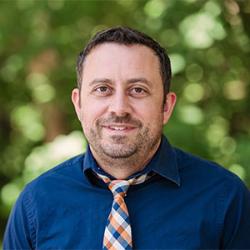
Alex Colucci teaches human and physical geography at AACC, where students explore the relationship between geography and the environment, and the spatial interactions between people, society, politics and power structures.