
Anthropology is your toolkit for an interconnected world. You'll develop global awareness, empathy and intercultural fluency. These skills help you understand how communities build identity, how cultural forces shape traditions, and how humans survive.
Bridging science and the humanities, anthropology trains you to see the world through other people's eyes. You will discover that the things we take for granted are generation-spanning blueprints for survival.
Through the lens of applied anthropology, you will take the core frameworks of cultural, biological, linguistic and archaeological anthropology and channel them directly into contemporary, real-world issues to build essential researcher skills such as:
If you're interested in majoring in anthropology, you should select AACC’s Transfer Studies degree with a concentration in anthropology (ANT).
At AACC, you'll complete:
The degree will prepare you to transfer to a four-year institution. We strongly encourage you to meet with an advisor and/or our discipline expert, Amy Carattini, Ph.D., to structure your AACC studies to meet your specific transfer goals.
This Science Transfer degree is designed for students whose academic and career goals are not fully addressed by the college’s existing science transfer options. This program provides a customizable pathway for students pursuing specialized or emerging fields, such as Nutrition, the Bachelor of Science in Nursing (BSN) or other science‑related disciplines with unique prerequisite requirements. Through guided course selection, you may tailor your degree plan to meet the specific admission or preparatory needs of your intended four‑year program.


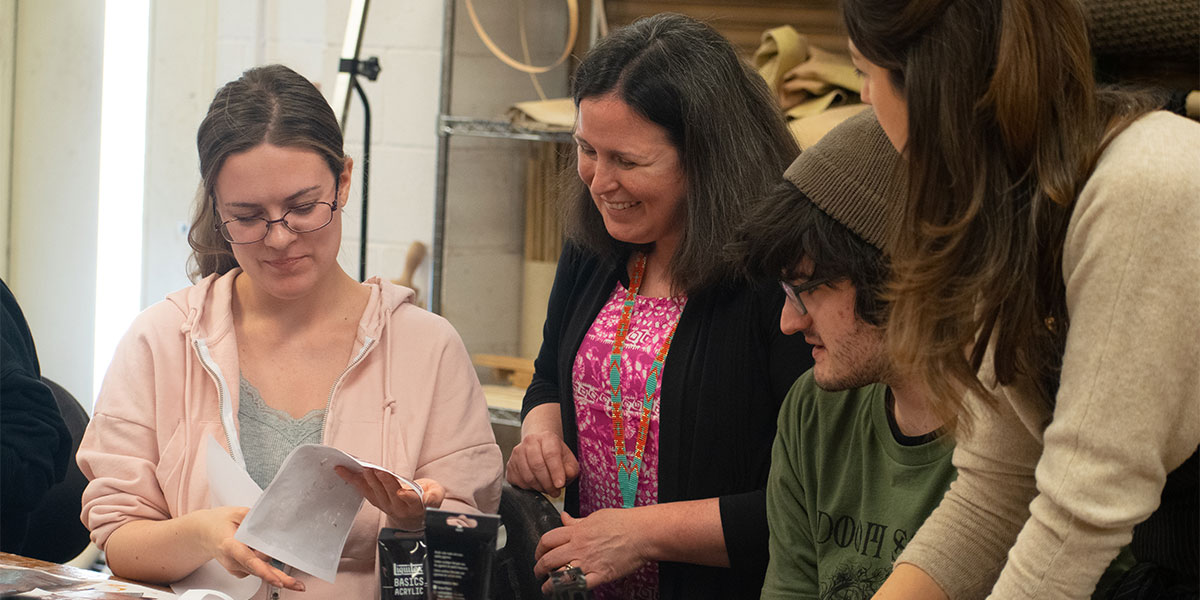
Inspired by a shared love of the arts and the knowledge that using a variety of art forms increases learning, an anthropology professor collaborated with the Visual Arts program to create an arts integration experience for her anthropology students
Read the Story
If you decide to earn your A.A. degree in transfer studies with a concentration in anthropology, you can transfer to complete your four-year degree. We have partnerships and transfer agreements in place with many colleges and universities so you can easily transfer when you're ready.
You can also work with a transfer advisor to set up a specific plan to transfer to the four-year school of your choice.
Paying for college should be simple! Scholarships are available to help you prepare for your career in psychology:
The Arts Integration Hub uses the arts as a method for learning — not a supplement. Arts-based experiences across various areas of study help students think critically, make connections and engage more deeply with course content. The Arts Integration Hub is co-led by Amy Carattini, associate professor of Anthropology.
We're here to help.
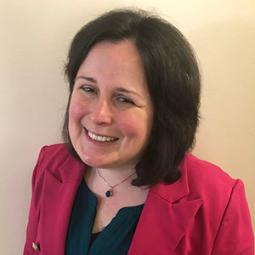
Amy Carattini knows that not all her students will go on to become anthropologists. But she does hope they will take the anthropological skills and perspectives they develop in her class and apply them to whichever career they do choose.